
The evolution of gambling tracing its historical roots and cultural impact
The Ancient Origins of Gambling
The roots of gambling can be traced back thousands of years, with evidence found in ancient civilizations such as Mesopotamia, Egypt, and China. Archaeological findings suggest that dice, made from animal bones, were used in gaming as far back as 3000 BC. These early forms of gambling were not merely pastimes; they played significant roles in rituals, social gatherings, and decision-making processes within these cultures. Today, many enthusiasts seek guidance from a fast withdrawal casino to enjoy quick payouts and secure games.

In ancient Rome, gambling evolved further, becoming a popular entertainment form among citizens. The Romans engaged in games of chance that included betting on various events, from chariot races to gladiatorial contests. This gambling culture laid the groundwork for the complex systems of betting and gaming that we recognize today, highlighting the enduring human fascination with risk and reward.
The Middle Ages and the Rise of Gambling Houses
During the Middle Ages, gambling took on new forms with the establishment of dedicated gambling houses. In Europe, these early casinos offered various games, including card games and dice games, attracting a wide array of social classes. The Church, however, viewed gambling with suspicion, leading to periods of strict regulation and occasional bans.
Despite these challenges, gambling persisted, finding its way into the social fabric of society. The invention of playing cards in the 14th century introduced new dynamics to gambling, creating opportunities for more strategic gameplay and fostering a growing interest in chance-based games across Europe.
The Influence of the Renaissance on Gambling
The Renaissance period marked a significant evolution in gambling, characterized by innovation and cultural exchange. The development of new games, such as roulette and blackjack, emerged during this era, reflecting the changing attitudes towards chance and fortune. Gambling became a symbol of social status and sophistication, particularly among the aristocracy.
This period also saw the establishment of formalized gambling regulations, leading to the creation of state-sanctioned lotteries. These lotteries not only provided entertainment but also funded public projects, embedding gambling further into society. The intertwining of gambling with economic interests signaled its growing importance in cultural and social contexts.
The Modern Era of Gambling and Its Global Expansion
The 19th and 20th centuries witnessed the globalization of gambling, with the establishment of iconic casinos in places like Las Vegas and Monte Carlo. Technological advancements facilitated the rise of online gambling in the late 20th century, making games accessible to millions worldwide. This transformation has led to an unprecedented expansion of the gambling industry.
Today, gambling is a multi-billion-dollar global industry, with various platforms catering to diverse audiences. The cultural impact of gambling continues to evolve, influencing art, literature, and even social behaviors, as it remains a complex interplay of chance, skill, and societal norms.
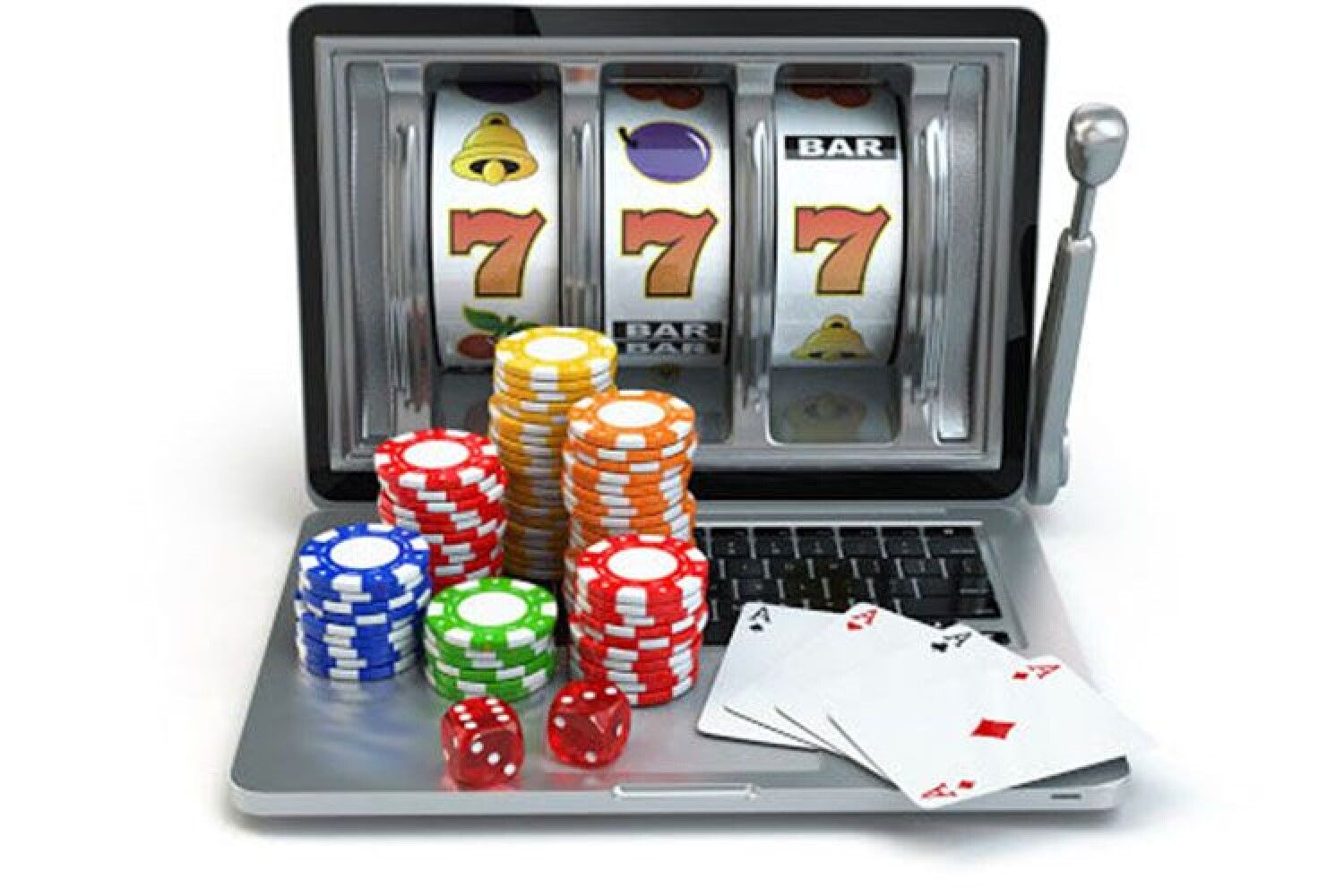
Fast Withdrawal Casino: Your Guide to Online Gambling
At Fast Withdrawal Casino, we recognize the significance of responsible gambling and the role it plays in today’s society. Our platform serves as a comprehensive guide to the best UK online casinos, focusing on those that offer quick payouts and secure gaming experiences. We prioritize safety by showcasing only UK Gambling Commission licensed operators.
With expert recommendations and comparisons, Fast Withdrawal Casino helps users navigate the online gambling landscape efficiently. Whether you are a seasoned player or new to the world of online gaming, we aim to provide the necessary tools and insights to enhance your gambling experience while promoting responsible practices.